
Oversize Load Permits : A Guide for Freight Carriers | STT
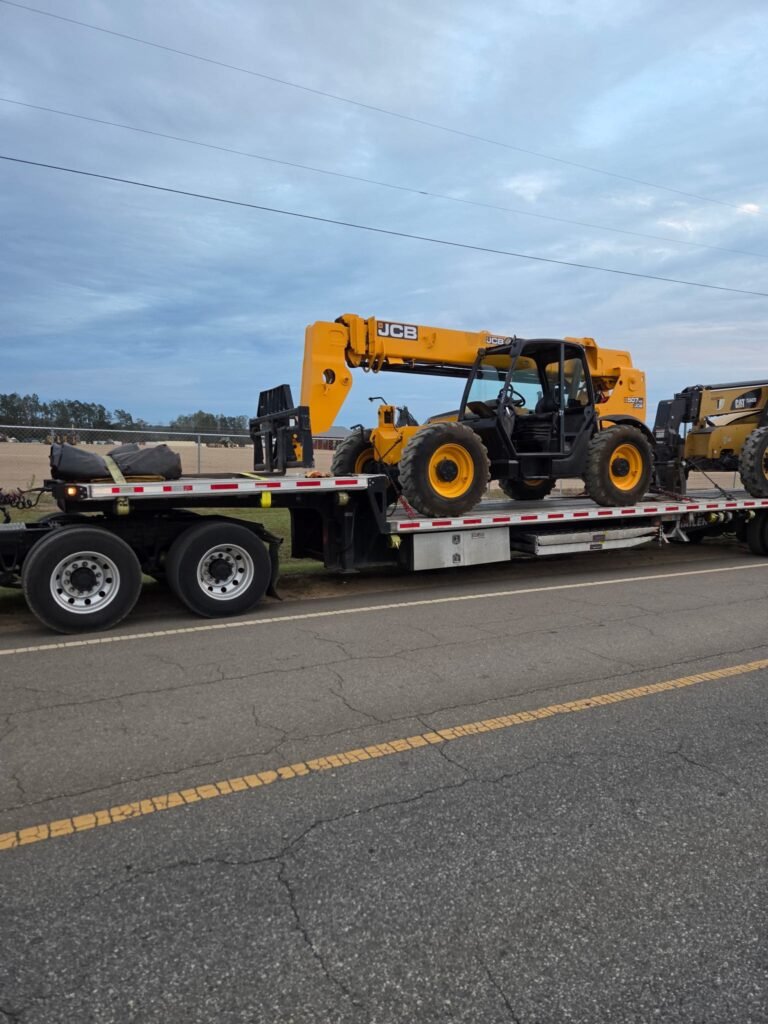
OVERSIZED HAUL PERMITS Oversize Load Permits : A Guide for Freight Carriers | STT November 17, 2026 6:00 pm Heavy Haul & Oversize Transport Learn how oversize load permits work across state lines, understand transportation requirements, and discover how freight carriers can plan compliant heavy-haul routes. Why There’s No Federal Oversize Permit The federal government establishes baseline size and weight limits for commercial trucks traveling on the Interstate Highway System. Two important limits shippers should know are a standard maximum vehicle width of 8.5 feet (102 inches) and a maximum gross vehicle weight of 80,000 pounds, subject to applicable axle and bridge limits. However, the federal government does not issue a single oversize permit for trucks traveling across the country. Instead, individual states are responsible for issuing permits for loads that exceed their legal size or weight limits. Each state’s Department of Transportation (DOT) determines which roads oversized loads can use, what restrictions apply, and what documentation is required. This means a shipment traveling through five states may need five separate permits, even if it’s the same truck carrying the same equipment throughout the entire trip. “One load, multiple state lines, and a different set of rules at every turn. Proper permit coordination and careful route planning keep your heavy haul moving safely, legally, and on schedule.” — STT Logistics Group Team What Counts as Oversize or Overweight? A shipment may require special transportation permits when it exceeds the legal limits for any of the following: Width: The standard legal width on most highways is 8.5 feet (102 inches). Equipment wider than this generally requires an oversize permit. Height: Legal height limits vary by state, commonly ranging from approximately 13.5 to 14.5 feet. Taller equipment may require special route planning to avoid bridges, power lines, and other overhead obstacles. Length: Maximum legal length depends on the state and trailer configuration. Long equipment, industrial materials, and construction components may require additional permits. Weight: The federal Interstate gross vehicle weight limit is generally 80,000 pounds, with additional restrictions for individual axles and axle groups. Add a short caption describing the photo Conclusion Moving oversized equipment across state lines involves more than finding a truck and choosing the fastest route. Each state has its own permit requirements, travel restrictions, and safety regulations, making proper planning and coordination essential to avoiding unnecessary delays. Whether you’re shipping an excavator, construction machinery, or other oversized freight, STT Logistics Group is ready to help coordinate your transportation needs across the United States, Canada, Mexico and Internationally. Need to Transport Something? Tell us about your load and get a free, no-obligation quote today. Get a Free Quote Call +1 (239) 236-8070 Tags:Equipment Transport Freight Permits Heavy Equipment Heavy Haul heavy machinery logistics permits Oversize Load states permits STT Logistics Group Heavy hauling and 3PL logistics provider since 2015. Over 80,000 loads transported with a network of 80+ specialists and carriers. Get a Free Quote Your freight, our responsibility. Get a fast quote for any load. Request a Quote +1 (239) 236-8070 notifications@sttlogisticstn.com 651 E 4th St, Suite 200, Office 111, Chattanooga, TN, United States, 37403 Our Services Vehicle Transportation Machinery Transportation Oversized Loads Boats, Yachts & Ships Pallet & Package Product & Raw Materials Follow Us Facebook-f Instagram KEEP READING More From Our Blog Tips, guides and news about heavy hauling and logistics. View All Articles